Back to Tips & Articles
Taking a Digital Detox on Social Media
Tips & Articles
Mental Wellness
Cyber Wellness
05 Dec 2025
The end of the year is a time for renewal, but too often we hobble across the finish line with busy, cluttered minds. Read on to learn about the benefits of a social media digital detox and the practical ways to get started.
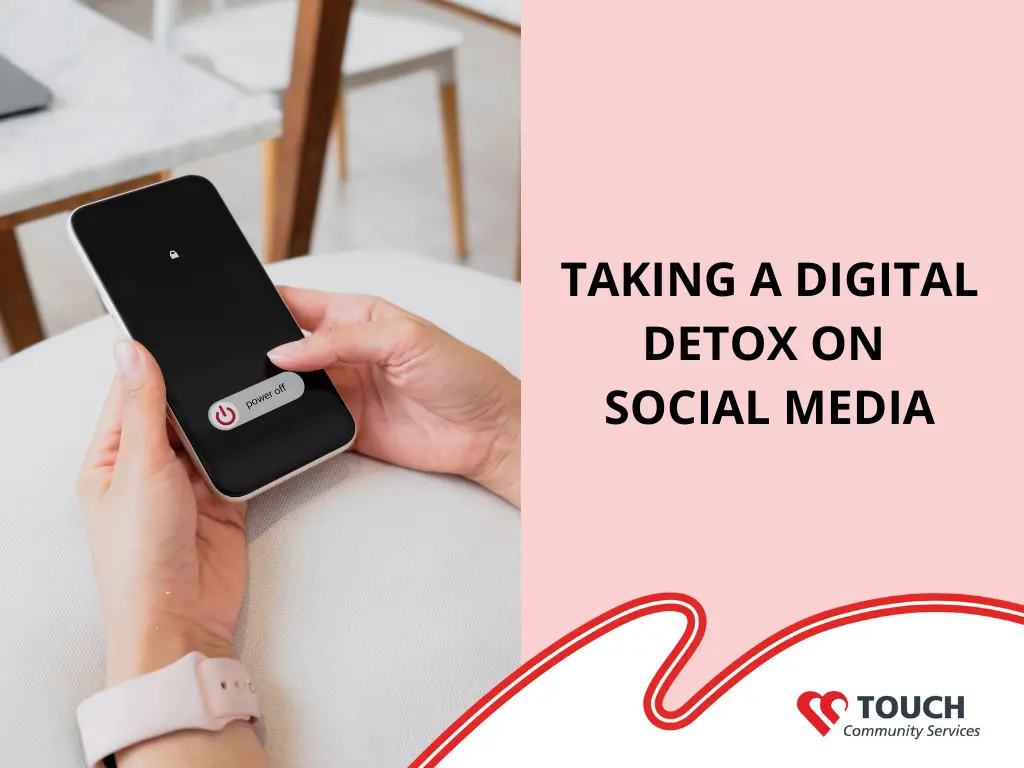
The endless scroll on social media and the constant influx of online content can often lead to digital fatigue, leaving our minds cluttered and our energy depleted. With the year winding down, this presents an opportunity to prioritise a mental health break by taking some time out from using social media. A digital detox offers a chance to rest, gain clarity, reconnect with what matters, and may help you step into the new year feeling recharged and intentional, rather than burnt out.
WHAT IS A DIGITAL DETOX?
A digital detox is a period of time when an individual consciously refrains from using digital devices such as smartphones, computers, and social media platforms. The purpose is to unplug and create space for real-life interactions, whether that means connecting with loved ones or engaging in physical activities like exercise and time in nature.
For individuals who are reliant on digital devices and specifically social media to expand their time and energy, doing a detox could be a crucial opportunity to intentionally step away and reset digital habits, so as to forge a much healthier and more deliberate relationship with technology.
BENEFITS OF DOING A DIGITAL DETOX
Physical benefits: Most Singaporeans lead a highly sedentary lifestyle; a habit often exacerbated by the constant usage of digital devices and the tendency to doomscroll and spend long hours on our phones whenever possible. Without the distraction of these platforms, we may become more compelled to engage in physical activities outdoors. Beyond this, a tech detox also offers the benefit of improved sleep patterns. The blue light emitted from screens, which 67% of 19- to 29-year-olds use in the bedroom right before sleep [1], is known to disrupt the body's natural sleep-wake cycle.
Mental health benefits: FOMO (fear of missing out) may be felt by youths who constantly compare themselves to their peers' curated social media feeds and idealised lifestyles, leading to feelings that their own lives are inadequate and resulting in lowered self-esteem [1]. Additionally, the constant pursuit of affirmation measured through the number of likes and follows on social media can be emotionally draining and can rob away genuine fulfilment in one’s life. By taking time away from devices or apps and becoming more attuned to reality, you may be able to more easily detach your self-worth from digital metrics and cultivate a more grounded lifestyle outside of technology.
HOW TO DO A DIGITAL DETOX
Set your boundaries: A detox does not need to be a full digital shutdown, such as restricting all access to platforms like TikTok, Instagram and Facebook. Instead, it can be a tailored approach where you limit your usage to one platform only or restricting access only during certain periods of the day. More importantly, define your boundaries clearly by stating the platform(s) you’re steering clear of, as well as the time period, along with an actionable plan that you can adhere to.
Start small: Jumping right into restricting access to all platforms for one full month may be intimidating and unsustainable for individuals who are accustomed to using technology constantly. Instead, it is recommended that you start small and gradually scale the plan over time. For instance, begin by unplugging for just 30 minutes on the first day, and increase that duration to one hour on the second day. Establishing an incremental and sustainable plan significantly enhances your ability to adapt and adjust, thereby increasing the likelihood of you keeping to the plan in the long run.
Delete apps: If you have decided on a month-long digital detox from a specific platform, such as Instagram, it may help to remove any source of temptation to scroll by temporarily deleting the app from your phone and committing to not re-downloading it until the entire detox period is over.
Embrace physical activities: Plan ahead for activities you can enjoy, either independently or with loved ones. This could range from going on an overseas trip, embarking on a camping excursion, to even catching a movie. Without the distraction of social media, you’re able to engage in the activity with your full, undivided attention and have fun with others along the way.
Seek support: If you’re committed to doing a digital detox for some time, it may help to share this commitment with those closest to you. They can serve as accountability partners and check in on your progress and help you maintain discipline. It’s also good to give them a heads-up that you’re not using certain platforms, so they know how to continue communicating with you effectively.
TOUCH Mental Wellness (TMW) runs personalised therapy and counselling programmes to empower individuals to rise above their circumstances. An advocate of mental wellness, TMW has been organising mental wellness awareness mass runs, talks and workshops since 2015. It works closely with corporations to conduct mental wellness talks with an aim of equipping employees with handles to cope with stress and help them build resilience. It also specialises in mental wellness awareness and educational programmes for schools.
Sources
1. “8 tips to how to do a digital detox in 2025” Newport Institute, https://www.newportinstitute.com/resources/mental-health/digital-detox/